
Reframing Creativity Beyond the Screen
In today’s digital-first creative industry, speed, scalability, and software fluency often dominate conversations about innovation. Yet Dayna Frazer, a respected voice in contemporary design thinking, offers a compelling counterbalance: material knowledge still matters. According to Frazer, true creative excellence emerges when digital proficiency is grounded in a deep understanding of physical materials, processes, and constraints. Rather than viewing digital tools as replacements for material expertise, she positions them as amplifiers of it.
The Enduring Value of Material Knowledge
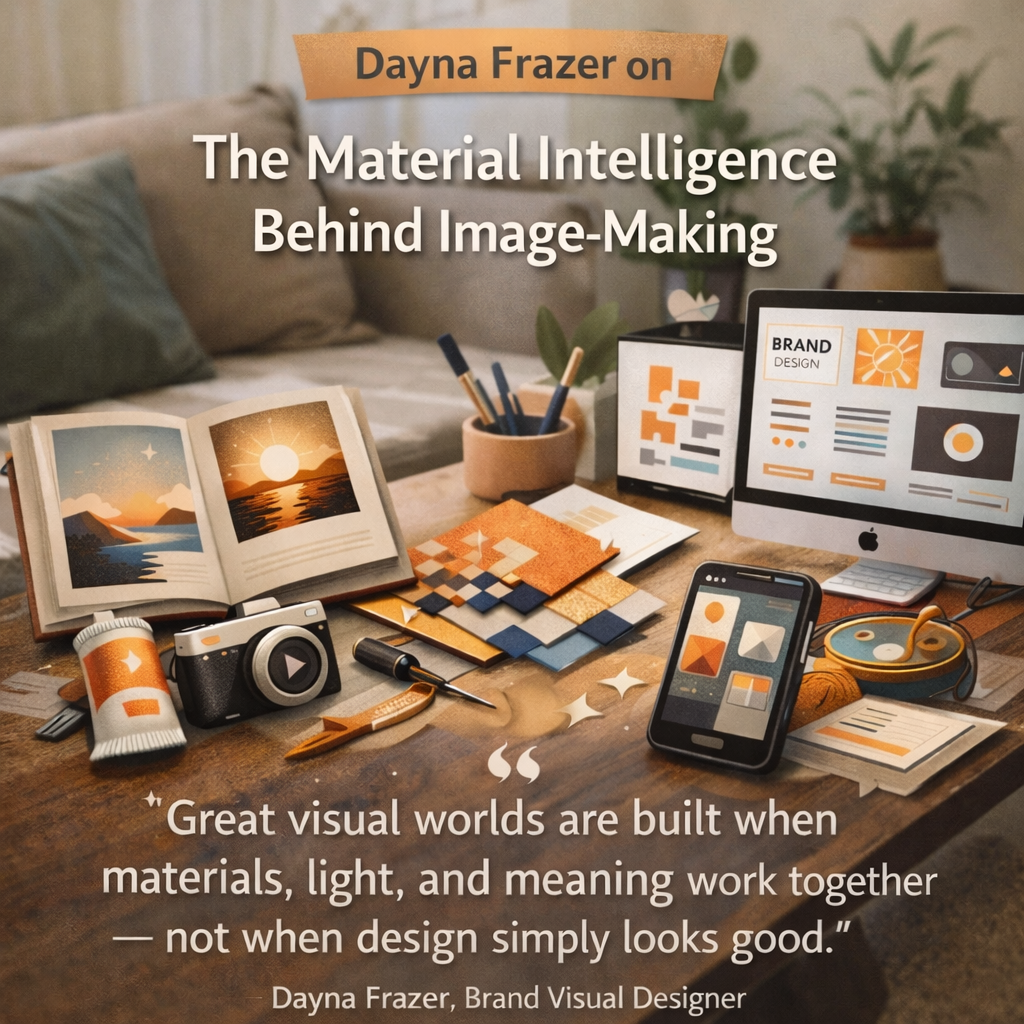
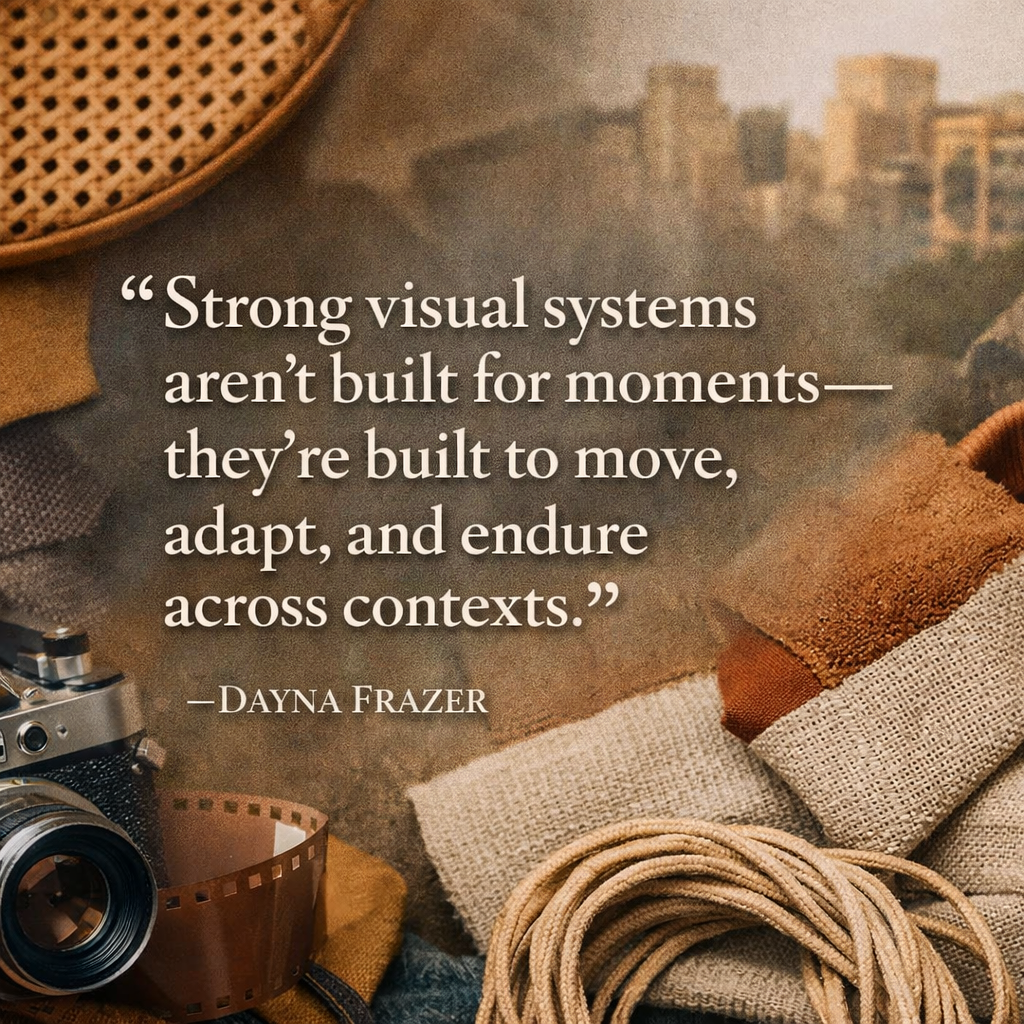
Material knowledge refers to an intimate understanding of how materials behave—how they age, respond to stress, interact with light, or influence human experience. Frazer argues that this knowledge is not obsolete in a digital era; instead, it is increasingly critical. When designers lack material awareness, digital outputs risk becoming visually impressive yet functionally shallow. Material intelligence ensures that creative ideas are not only compelling on screen but viable, sustainable, and meaningful in the real world.
Digital Tools as Translators, Not Substitutes
Frazer emphasizes that digital tools should translate material insight, not substitute it. Software can simulate textures, structures, and environments, but it cannot fully replicate the tacit understanding gained through hands-on engagement. Designers who understand materials at a fundamental level use digital platforms more intentionally. Their decisions are informed by feasibility, context, and impact, leading to outcomes that bridge imagination and execution with precision.
Creativity at the Intersection of Craft and Code
One of Frazer’s central insights is that the future of creative work lies at the intersection of craft and code. She challenges the false dichotomy between traditional making and digital creation. In her view, the most innovative practitioners are those who move fluidly between physical experimentation and digital iteration. This hybrid approach fosters originality, reduces waste, and encourages problem-solving rooted in reality rather than abstraction.
Implications for Creative Education and Leadership
Frazer’s perspective carries important implications for how creative professionals are trained and led. She advocates for educational models that integrate material exploration alongside digital skill development. For leaders in creative industries, her message is equally clear: invest in teams that value material literacy. Such teams are better equipped to design responsibly, adapt to emerging technologies, and create work that endures beyond trends.
Conclusion: Designing with Depth in a Digital Age
Dayna Frazer’s insights serve as a timely reminder that innovation is not solely driven by new tools, but by deeper understanding. In a digital-first creative industry, material knowledge anchors creativity in authenticity and purpose. By honoring the relationship between materials and technology, creatives can produce work that is not only efficient and scalable, but also thoughtful, resilient, and human-centered.




Write a comment ...